The History of Gay Massage
Massage feels modern when it happens in a private studio with a heated table, quality oils, music, adjustable pressure and a session tailored around the client. The basic idea, however, is ancient: people have used touch, rubbing, pressure, movement and oil-based bodywork for centuries as part of bathing, physical training, recovery and personal care.
What makes the history of massage interesting is that there is no single inventor and no straight line from one ancient technique to the massage table we know today. Different cultures developed their own forms of manual bodywork for different reasons. Some were connected with medicine. Others belonged to athletic preparation, bathing culture, physical conditioning or everyday care.
Modern massage is the result of those traditions gradually meeting anatomy, physical culture, professional training, spa culture and changing ideas about personal wellness. Today, that evolution includes everything from recovery-focused treatments to private massage for men designed around comfort, preference and the individual client.
Massage does not have a single known inventor or place of origin. Forms of rubbing, pressure and manual bodywork developed independently across several ancient cultures, including China, Egypt, Greece and Rome, before evolving into the massage traditions used today.
Massage Before the Modern Spa
It is tempting to say that massage began in one country on one specific date. History is much less tidy than that.

Ancient Chinese medical traditions contain some of the earliest surviving written discussions of manual techniques. The Huangdi Neijing, or Yellow Emperor’s Inner Canon, was compiled more than two thousand years ago and became one of the foundational texts of Chinese medicine.
Massage and related manual methods developed within a much larger Chinese medical system rather than as a stand-alone spa treatment resembling what we know today.
Ancient Egyptian medical traditions also included physical methods such as massage alongside other forms of care.
The important point is not deciding which civilization was “first.” Working on the body with the hands is simply one of the oldest recurring ideas in physical care.
Greece, Rome and the Connection Between Massage, Oil and Bathing
Ancient Greek and Roman culture added another element that still feels familiar today: the connection between bodywork, exercise, oil and bathing.
Physical training had an important role in Greek life, while physicians and trainers discussed rubbing, exercise and other physical methods as part of caring for the body.
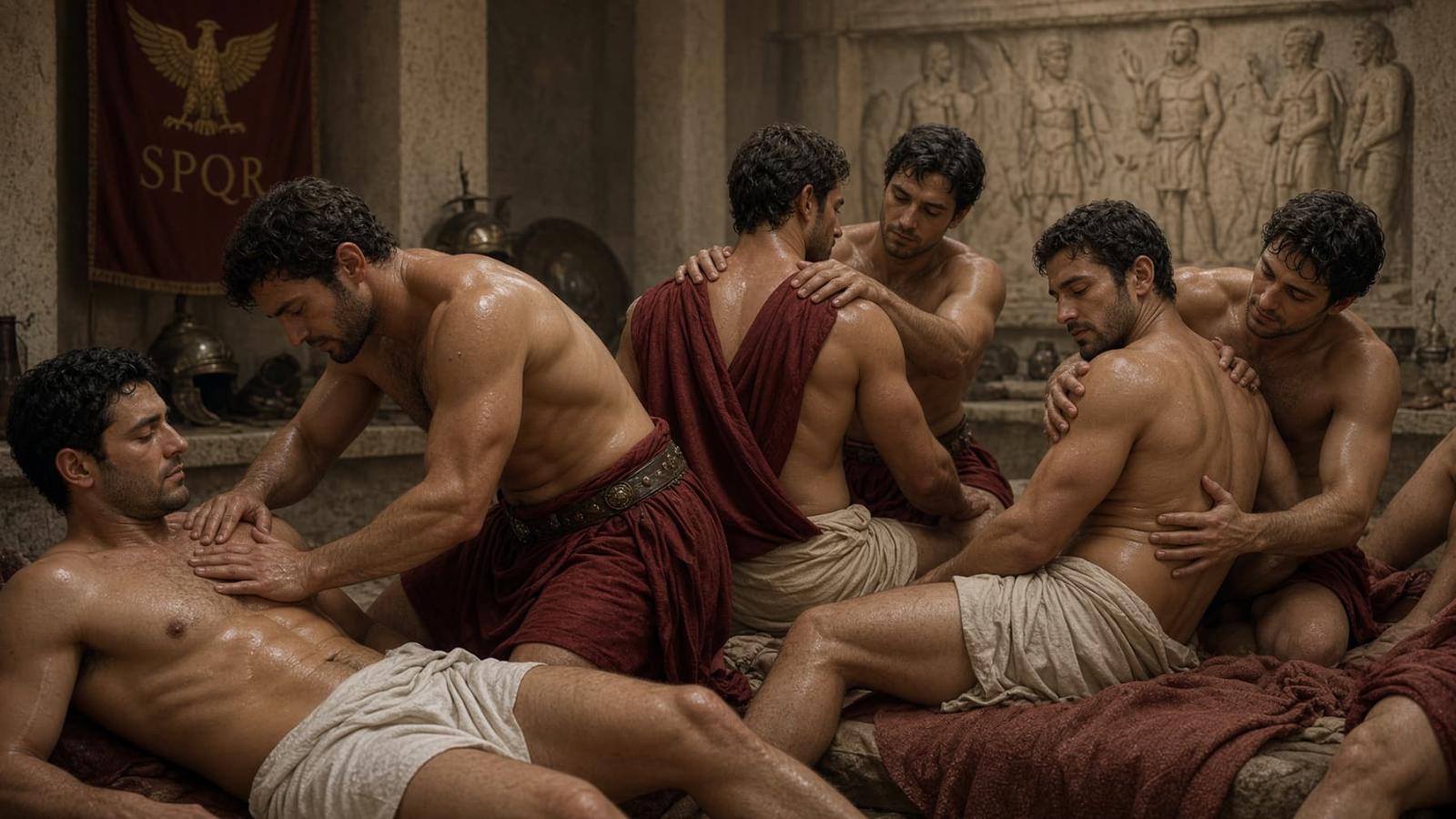
Roman bath culture developed the idea on a much larger social scale. Bathing, heat, physical activity, oil application and massage-like bodywork could exist within the same environment.
A modern spa is technologically and culturally very different from a Roman bathhouse, but the basic idea of combining warmth, water, body care and hands-on treatment has extremely old roots.
Ancient Massage Was Not Modern Massage
A massage performed in ancient China, Greece or Rome was not simply an early version of the 60-minute full-body massage people book today.
The theories, social settings and expectations surrounding the body were different. Some techniques belonged to medical systems, while others were connected with exercise, bathing or physical preparation.
Even the word massage came much later.
The history of massage is therefore better understood as many separate traditions of rubbing, pressing, kneading, movement and manual care that eventually influenced modern bodywork.
From the Renaissance Back to the Study of the Body
Classical ideas about exercise and physical treatment were revisited during the Renaissance as physicians returned to Greek and Roman texts and became increasingly interested in studying the body.
In 1569, Italian physician Girolamo Mercuriale published De Arte Gymnastica, examining exercise, bathing and physical practices through classical sources and Renaissance medical thinking.
These ideas helped revive interest in whether movement, rubbing, exercise and bathing could be used systematically as forms of physical care.

How the 19th Century Changed Massage
One of the most repeated stories in massage history is that Swedish educator Pehr Henrik Ling invented Swedish massage. The real history is more complicated.
Ling developed a structured system of gymnastics during the early 1800s that incorporated anatomy, movement, physical training and manual techniques. Massage itself, however, was only one part of his broader system.
Later in the 19th century, Dutch physician Johann Georg Mezger helped establish massage more clearly as a systematic manual practice in its own right.
The familiar French terminology associated with Western massage — including effleurage, petrissage, friction and tapotement — became connected with this developing European tradition.
Modern massage was not invented at one moment. It emerged through overlapping systems of gymnastics, medicine, physical education and hands-on practice.
From Medical Treatment to Sports, Recovery and Spa Culture
By the late 19th and early 20th centuries, massage had become increasingly organized in Europe and North America.
It appeared in medical settings, rehabilitation, exercise systems and private practice. During the 20th century, those paths increasingly separated. Physiotherapy developed into a broader healthcare profession, while massage continued through sports, recovery, hospitality, wellness and private practice.
That history helps explain why the word massage can mean very different things today.
One person may associate it with physical recovery. Another thinks about post-workout tension. Someone else simply wants an hour away from a laptop, travel schedule or demanding week.
Modern massage is not one single tradition. It is a family of related practices that developed in different directions.
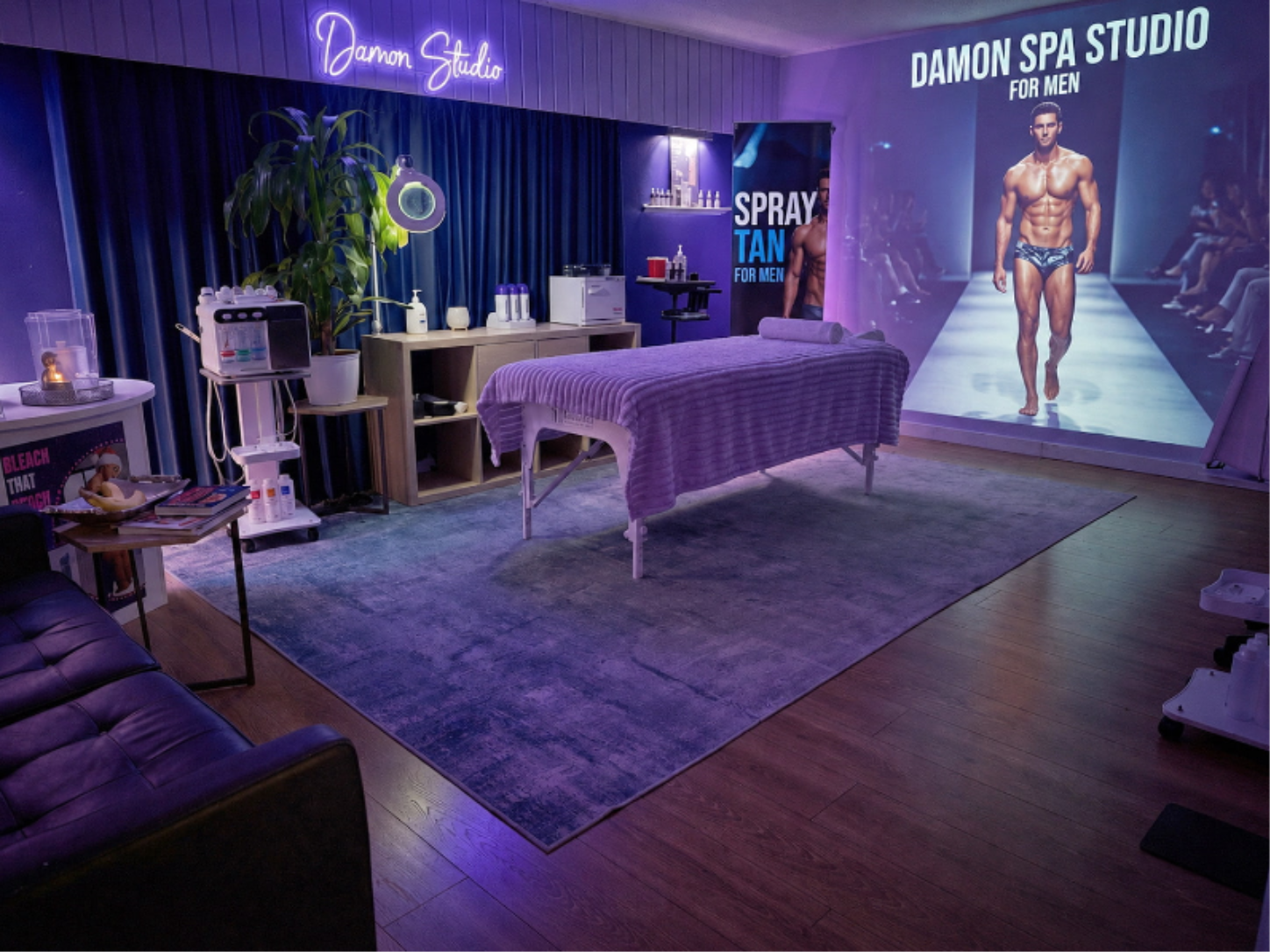
How Men’s Massage Became Its Own Experience
Modern men’s wellness adds another chapter.
A massage for men does not need to rely on clichés about toughness, sports or masculinity. The difference can be much more practical: the atmosphere, communication, practitioner, body coverage, service menu and overall setting may simply feel more natural to the client.
A masculine massage environment can still be quiet, comfortable and relaxing. Masculine does not have to mean clinical, aggressive or stripped of personality.
For some men, pressure and recovery are the priorities. For others, privacy matters more. Some prefer a male practitioner. Others feel more comfortable in a studio where massage exists alongside grooming, skin care and body treatments designed specifically for men.
This is part of how massage continues to evolve: not necessarily through a completely new hand technique, but through a better understanding of the client and what allows him to feel comfortable.
Gay Men, Male-to-Male Massage and Practitioner Choice
For gay, bisexual and other men who prefer receiving massage from another man, comfort can be influenced by more than technique.
A client may want to know who will actually provide his service. He may prefer a private environment rather than a large co-ed spa. He may also feel more comfortable communicating about pressure, body areas, preferences or boundaries with another man.
For men looking for gay massage in Vancouver or a male-to-male massage experience, the practical questions are often simple: who will provide the service, how private the setting is and what to expect before booking.
For a modern men’s studio, inclusivity works best when it is practical: clear information, respectful communication, privacy, professional boundaries and a session that can be adjusted around the individual client.
Technology Creates Another Kind of Massage Experience
Technology can now change the environment surrounding massage as well. Lighting, sound, temperature and digital media can influence how the same physical space feels.
An immersive massage experience can add selected visual and audio content around hands-on bodywork without replacing pressure control, communication or skilled touch.
Massage as Part of Modern Men’s Wellness
Massage also no longer needs to exist as an isolated service.
Modern male clients may move between massage, skin care, manscaping and waxing, a full body scrub and other personal-care services depending on what they need.
Together, these services create a broader approach to men’s wellness, where personal care can be as much about regular maintenance as solving a specific problem.
What Has Not Changed
The tools, terminology and settings have changed, but the basic structure of a good massage remains remarkably recognizable.
One person receives the session. Another works with the body through pressure, movement and touch. The service is adjusted according to comfort, preference and purpose.
For one client, that may mean firmer work after training. For another, it means slowing down after a demanding week. For someone else, having a male practitioner and a private environment may be central to feeling comfortable enough to relax.
Across thousands of years, forms of massage and manual bodywork have moved through medical traditions, gymnasiums, bathhouses, rehabilitation settings, hotels, spas and private studios. The techniques and explanations surrounding them have changed repeatedly, but hands-on body care has continued to find a place in human life.
At Damon Spa Studio for Men in Vancouver’s West End, that history continues in a private men’s wellness setting, with each massage adapted around the individual.
Sources & Further Reading
- Matos, L. C. et al. Understanding Traditional Chinese Medicine Therapeutics: An Overview of the Basics and Clinical Applications. Healthcare, 2021. PubMed Central
- Metwaly, A. M. et al. Traditional Ancient Egyptian Medicine: A Review. Saudi Journal of Biological Sciences, 2021. PubMed Central
- Gianfaldoni, S. et al. History of the Baths and Thermal Medicine. Open Access Macedonian Journal of Medical Sciences, 2017. PubMed Central
- University of Iowa, John Martin Rare Book Room. Girolamo Mercuriale: Art of Gymnastics — De Arte Gymnastica. University of Iowa Libraries
Terlouw, T. J. A. Roots of Physical Medicine, Physical Therapy, and Mechanotherapy in the Netherlands in the 19th Century: A Disputed Area within the Healthcare Domain. Journal of Manual & Manipulative Therapy, 2007. PubMed Central
Stay Connected
Follow Damon Spa Studio for Men for studio updates, new services, grooming and wellness tips, special offers, and upcoming events in Vancouver.
Instagram · Facebook · Google · ClassPass · Tripadvisor · Eventbrite
- Visit www.DamonSpaStudioForMen.com to explore services, check availability, and book online.